



Introduction
Today’s security threats are more complex than ever, often blending physical break-ins with cyberattacks. Businesses that rely solely on traditional security measures, like locks, keycards, or security guards, or those using standalone digital access systems, may find themselves exposed to evolving risks. A single-layered approach can leave vulnerabilities that sophisticated threats can exploit.
By combining physical security with digital access systems, businesses can create a multi-layered defence that enhances protection, increases control, and boosts operational efficiency. Digital solutions such as biometric authentication, cloud-based monitoring, and real-time access tracking help minimise human error while offering seamless control over who enters a facility. Meanwhile, physical security measures, including CCTV surveillance, barrier gates, and security personnel, provide deterrence and immediate response capabilities.
This guide delves into why businesses should embrace a hybrid security model, the key benefits of integrating physical and digital access systems, and how organisations can build a comprehensive security strategy to tackle modern challenges effectively.
Key Takeaways
|
The Need for a Hybrid Security Approach
As security threats become more sophisticated, businesses must move beyond relying on a single-layered security strategy. Both physical security and digital access systems are essential for safeguarding assets, but depending on just one of these measures can leave significant vulnerabilities. By understanding the limitations of standalone security systems and the advantages of a hybrid approach, businesses can establish a more resilient and effective security framework.
Understanding the Limitations of Standalone Security Systems
Many businesses depend on either physical security measures or digital access solutions to protect their premises. However, using only one type of system creates gaps that intruders or cybercriminals can exploit. Traditional security methods often lack real-time monitoring capabilities, while digital-only solutions may be susceptible to hacking or technical failures. It’s crucial to recognise these limitations and adopt a more comprehensive, hybrid approach to create a truly secure environment.
A. Challenges with Traditional Physical Security
For many years, businesses have relied on physical security measures like locks, keycards, and security guards to safeguard their premises. While these methods provide some level of protection, they come with notable vulnerabilities:
Lost or stolen keys and keycards:
Physical access tools, such as keys and keycards, can easily be misplaced or stolen. If not promptly deactivated or replaced, these lost items present a significant security risk, potentially granting unauthorised access.
Difficulties in tracking access:
Traditional locks and keycards lack real-time monitoring and detailed access logs, making it difficult to track who enters a facility and when. This lack of visibility complicates investigations following a security breach.
Security personnel limitations:
Human-based security has inherent limitations. Guards may overlook suspicious activity due to fatigue, distractions, or simple human error. Manual security checks can also be inconsistent, which may leave access control vulnerable.
B. Challenges with Digital-Only Access Systems
While digital access systems have transformed security management by automating access control, they are not without their own set of challenges:
Cybersecurity risks:
Digital systems, especially those relying on passwords or unsecured networks, are vulnerable to hacking. Weak passwords, phishing attacks, and software vulnerabilities can compromise access and lead to data breaches.
System downtime and technical failures:
Digital access solutions depend heavily on power and internet connectivity. In the event of a power outage, software malfunction, or network disruption, access control systems can become inoperable, leaving businesses exposed.
Lack of physical deterrents:
C. Why Businesses Need an Integrated Security Approach
An integrated security approach combines the strengths of digital access systems with traditional physical security measures, providing a layered defence that significantly reduces vulnerabilities. By incorporating both elements, businesses create multiple barriers to unauthorised access, ensuring that if one security measure fails, others are in place to offer protection.
For instance, a business might use biometric authentication for entry alongside CCTV monitoring and auto gates. This approach strengthens security by addressing the limitations of both standalone digital and physical systems, offering a more comprehensive and resilient solution.
Key Benefits of Integrating Physical Security with Smart Access Platforms
Merging digital access systems with physical security measures creates a stronger, more efficient security framework. Here are some of the key benefits:
1. Enhanced Security and Risk Mitigation
A hybrid security system significantly reduces vulnerabilities by offering multiple layers of protection:
• Real-time alerts for suspicious activity:
When digital access logs are integrated with CCTV surveillance and security alarm systems, they can immediately notify security teams of unusual access attempts or unauthorised entry.
•Multi-factor authentication (MFA) for access control:
Incorporating multiple layers of authentication, such as biometric verification (fingerprint or facial recognition) alongside keycards or passcodes, bolsters security by ensuring that only authorised individuals gain access.
• Preventing tailgating and unauthorised entry:
Smart access solutions, such as turnstiles, automated locks, and AI-driven monitoring, prevent unauthorised individuals from following someone into restricted areas. Additionally, license plate recognition cameras help monitor and restrict vehicle access, further tightening security at entry points.
2. Improved Access Control and Monitoring
Integrating digital and physical security enhances a business’s ability to control and monitor access to its premises:
• Centralised security management:
With cloud-based access control, both security teams and business owners can monitor access remotely, enabling quick responses to any security threats as they arise.
• Time-sensitive and role-based access:
Employees are granted specific access permissions tailored to their roles, ensuring only authorised individuals can enter certain areas. Access can be adjusted or revoked when necessary, providing added flexibility and security.
• Audit trails for security compliance:
Digital access systems automatically generate comprehensive access logs, making it easier for businesses to track movement within their premises. These logs are essential for security investigations and maintaining compliance with industry regulations.
3. Increased Operational Efficiency
An integrated security system not only enhances safety but also boosts business efficiency by automating key processes:
• Automated access control reduces reliance on security personnel:
Businesses can lower operational costs while maintaining robust security by reducing their dependence on security personnel for manual access checks.
• Integration with workforce management:
Digital access systems can be connected to attendance tracking and payroll systems, simplifying HR tasks and ensuring accurate monitoring of employee hours.
• Seamless security upgrades:
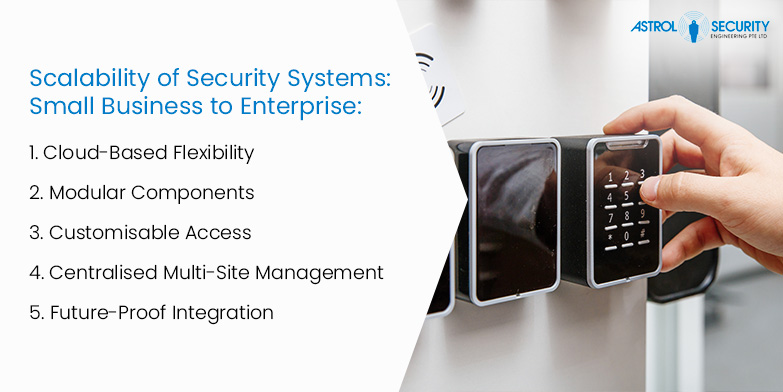
Cloud-based access control solutions allow businesses to easily scale their security infrastructure. New features or system integrations can be implemented with minimal disruption, keeping operations running smoothly.
Compliance and Industry Regulations
Industries handling sensitive data, such as finance, healthcare, and data centres, are required to meet strict security standards to maintain compliance and protect against potential breaches. In Singapore, businesses in these sectors must implement comprehensive security frameworks to adhere to both legal and industry-specific regulations.
- Regulatory standards such as ISO 27001, GDPR, and Singapore’s Cybersecurity Act require businesses to implement security frameworks that protect against both physical and cyber threats.
- Digital access systems help businesses meet compliance requirements by maintaining encrypted security logs, real-time monitoring, and automated access control reports.
- Compliance with security regulations reduces legal risks and enhances trust with clients, partners, and stakeholders, reinforcing a business’s reputation for strong security practices.
By integrating physical security with digital access systems, businesses can enhance overall protection and simplify the process of meeting compliance requirements, ensuring they adhere to industry regulations while safeguarding their assets.
Implementing an Integrated Security Strategy
Creating a comprehensive security system goes beyond merely installing digital access solutions or enhancing physical security measures. Businesses must adopt a layered approach that integrates both elements, ensuring a robust, adaptable, and future-proof infrastructure. By combining smart access control, advanced surveillance technologies, and cybersecurity measures, organisations can establish a well-rounded defence against both physical and cyber threats.
Key Components of a Physical-Digital Security System
1. Smart Access Control Solutions
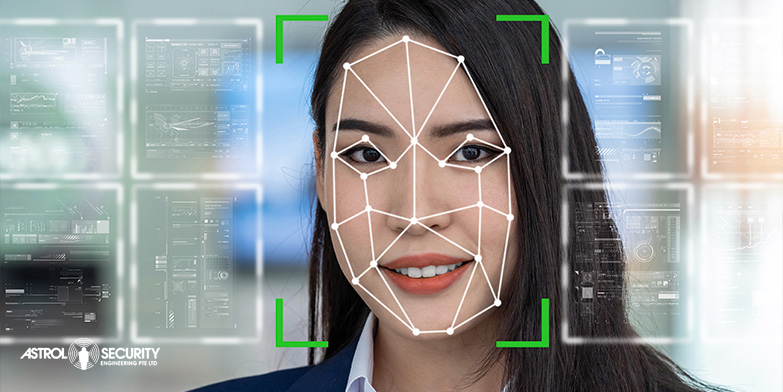
Modern access control technologies elevate security by using multiple authentication methods, reducing reliance on traditional keys or passcodes.• Biometric authentication (fingerprint and facial recognition):
Biometrics offer a superior level of security by verifying identities with unique physical traits. Unlike passwords or keycards, biometric data is difficult to replicate or steal, making it an ideal solution for restricting access to sensitive areas.• RFID and mobile-based access:
Businesses can replace traditional keys with smartphones, encrypted keycards, or wearable devices for seamless entry. Mobile-based digital access systems facilitate keyless and touchless access, which not only enhances security but also reduces the risk of theft or loss associated with physical keys.• AI-powered security analytics:
AI systems monitor access patterns and detect anomalies in real time. For example, suppose an employee’s access card is used outside of regular hours or at an unusual location. In that case, the system can instantly flag the event and notify security personnel, allowing for swift investigation and response.2. Surveillance and Monitoring Technologies
Real-time monitoring and automated responses are critical components of modern physical security, working seamlessly alongside digital access systems to detect and respond to threats swiftly.
• AI-Enabled CCTV Cameras with Motion Detection:
When integrated with access control systems, AI-powered CCTV cameras offer real-time verification of suspicious activity. If an unauthorised access attempt occurs, security personnel can instantly review footage and respond appropriately—reducing delays and improving incident resolution.
• Remote Security Access via Mobile Apps:
Security teams and business owners can manage surveillance and access control systems remotely using mobile apps. This includes viewing live video feeds, locking or unlocking doors, and receiving instant alerts. The ability to act from anywhere enables faster, more flexible responses to potential threats.
• Integrated Alarm and Barrier Systems:
Access control systems can be linked to alarms and physical entry barriers. In the event of a forced entry attempt, the system can trigger an automatic lockdown and send real-time alerts to the security team—ensuring an immediate and effective response.
3. Cybersecurity Measures for Digital Gateway Solutions
Given that digital access systems rely on networked technologies, robust cybersecurity is vital to prevent breaches and unauthorised access.
• End-to-end encryption:
This ensures sensitive access credentials, including biometric data, keycards, and passwords, are securely transmitted and stored, safeguarding them from cyber threats.
• Regular software updates and vulnerability assessments:
Keeping security software up-to-date helps prevent exploitation of system weaknesses. Routine penetration testing identifies vulnerabilities and ensures the system remains secure against evolving threats.
• Employee security training:
Human error is one of the primary factors contributing to security breaches. Businesses must educate employees on safe access practices, password security, and phishing awareness to reduce risks and strengthen their overall security posture.
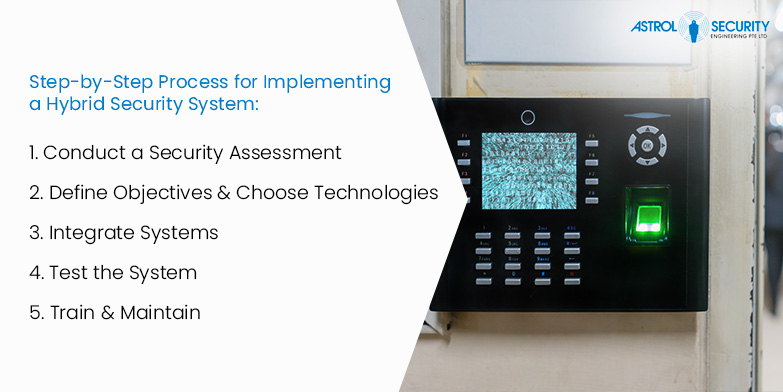
Best Practices for Businesses Adopting Integrated Security
Adopting a hybrid security approach requires careful planning, assessment, and ongoing management. Here are the best practices businesses should follow:
1. Conduct a Security Risk Assessment
Before upgrading security systems, businesses should:
- Identify potential vulnerabilities in both physical and digital security across their premises.
- Evaluate the effectiveness of existing security measures and identify areas where improvements are needed.
2. Choose Scalable and Future-Proof Digital Access Solutions
As security needs evolve, businesses must invest in solutions that can grow and adapt:
- Opt for cloud-based and AI-driven access control systems that support remote monitoring and software updates.
- Use multi-layered authentication, such as biometric verification combined with PIN codes or RFID cards, to enhance security.
3. Establish Clear Emergency Response Protocols
A comprehensive response plan ensures that businesses can act quickly when threats arise:
- Develop Standard Operating Procedures (SOPs) for security breaches to guide teams in responding effectively.
- Implement real-time alert systems to notify security personnel and management immediately when a breach occurs.
4.Regularly Update Access Permissions
Poorly managed access rights can lead to security vulnerabilities:
- Conduct regular security reviews to ensure only authorised personnel can access sensitive areas.
- Immediately revoke access for former employees or contractors to mitigate potential risks.
5. Partner with a Professional Security Solutions Provider
To ensure smooth integration, businesses should work with trusted security experts:
- A professional provider can tailor security solutions to meet the specific needs of a business, combining physical measures like CCTV and barriers with digital access systems.
- Security consultants can conduct audits, recommend compliance strategies, and ensure systems remain effective against emerging threats.
Questions You Might Have
Implementing a hybrid security system involves essential considerations, from cost and scalability to cybersecurity concerns. Understanding how physical security and digital access systems complement each other can help businesses make informed decisions. Below are some common questions and answers to guide you through adopting an integrated approach.
1. How much does it cost to implement an integrated security system?
The cost depends on several factors, including the size of your business, the number of access points, and the level of security you require. While there is an initial investment, integrating digital access with physical security helps reduce risks, enhances efficiency, and can save money in the long term by minimising the potential cost of security breaches.
2. Is biometric security safe from hacking?
Yes, biometric security is generally safer than traditional passwords. Your fingerprint or facial scan is encrypted and stored securely, making hacking much harder. Additionally, modern biometric systems incorporate anti-spoofing technology, ensuring that a photo or fake fingerprint won’t be able to bypass the system.
3. Can the systems work during power or internet outages?
Yes, most modern digital access systems are designed to function even during outages. Most have backup power supplies and offline access modes, so your security won’t fail during a blackout. Additionally, if your business uses both digital and physical security measures, manual overrides serve as a reliable backup to ensure continuous protection.
4. How can small businesses benefit from integrated security?
Small businesses don’t need substantial budgets to improve security. Cloud-based digital access systems are affordable, scalable, and easy to manage, making them ideal for businesses of any size. These systems allow for customisable access levels, so employees and visitors can only access areas they need, providing robust security without complexity.
Conclusion
As security threats continue to evolve, businesses can no longer rely solely on traditional locks or standalone digital access systems. A fragmented security approach creates vulnerabilities, exposing organisations to risks such as unauthorised access, data breaches, and operational inefficiencies.
By combining physical security measures like CCTV surveillance, security barriers, and access control checkpoints with advanced digital access systems, businesses can establish a layered defence that enhances protection, streamlines access management, and reduces the potential for human error. This integrated approach not only deters intruders but also offers real-time monitoring, automated security responses, and detailed access logs, helping businesses maintain compliance with industry regulations.
With solutions like biometric authentication, cloud-based platforms, and AI-powered surveillance, businesses of all sizes can implement scalable and future-proof security strategies. An integrated system is more than just an investment in protection; it is a proactive step towards safeguarding assets, employees, and sensitive information from emerging threats.
At Astrol Security, we specialise in creating customised security services that seamlessly blend digital access systems with robust physical security measures. Whether you’re looking for door access systems, surveillance integration, or design and installation, our expert team will craft a solution tailored to your unique needs and budget.
Don’t wait until it’s too late. Contact us today to discover how our security solutions can enhance safety, improve efficiency, and give you greater control. Let’s work together to build a smarter, safer workplace.